 Conservation
༄༅། ། རྒྱལ་འཛིན་རང་བཞིན་སྲུང་སྐྱོབ་ཚོགས་སྡེ།
Royal Society For Protection of Nature
Inspiring personal responsibility for environmental conservation since 1987
༄༅། ། རྒྱལ་འཛིན་རང་བཞིན་སྲུང་སྐྱོབ་ཚོགས་སྡེ།
Inspiring personal responsibility for environmental conservation since 1987
Bhutan is part of the eastern Himalayan biodiversity hotspot region with rich diversity of flora and fauna, and also offers an abundance of ecosystem services. Today, about 11,248 species belonging to different categories of Animalia, Plantae, Chromista, Eubacteria, Fungi, and Protista are known to occur in Bhutan. The iconic species such as Tiger (Panthera tigris), Snow Leopard (Panthera uncia), Asian Elephant (Elephas maximus), Red Panda (Ailurus fulgens) and the Black-necked Crane (Grus nigricollis) are found in the country. In addition, some rare animals such as Chinese and Indian Pangolin (Manis pentadactyla and M. crassicaudata), Mountain Weasel (Mustela altaica), Chinese Ferret Badger (Melogale moschata), Bearcat (Arctictis binturong), Asian Small-clawed Otter (Aonyx cinereus), Bhutan Giant Flying Squirrel (Petaurista nobilis) and White-bellied Heron (Ardea insignis) are also found in Bhutan. Many of these species are protected under the Forest and Nature Conservation Act of Bhutan (FNCA 2023).
Similarly, for the ecosystem services, Bhutanese rely on biodiversity for various purposes, including fuel, food, fibre, shelter, water, medicine, household implements, religious and cultural ceremonies, and handicrafts. However, due to the escalating development activities, climate change and other human activities, the threats associated with the natural environment are increasing, exposing biodiversity integrity to high risks. These threats will result in the loss of many species, including some of the globally threatened and rare species found in the eastern Himalayan biodiversity region and disrupt the ecosystem services.
RSPN's efforts to conserve the species began in the mid-1980s with the conservation of the Black-necked Crane. Today, RSPN is prioritising the conservation of two flagship species, the Black-necked Crane and the White-bellied Heron. Besides these species, the conservation extends to other associated species found along the crane and heron landscape. The conservation work includes intensification of scientific research, monitoring, habitat management and community management through ecosystem-based solutions. For the White-bellied Heron, ex-situ conservation measures are also adopted.

RSPN Bhutan with support from the Bhutan Foundation 𝗦𝗺𝗮𝗹𝗹 𝗚𝗿𝗮𝗻𝘁𝘀 𝗣𝗿𝗼𝗴𝗿𝗮𝗺𝗺𝗲 (𝗦𝗚𝗣), conducted Inception and Coordination meetings on 13–14 August...
Read more
RSPN Bhutan successfully conducted a Project Consultation Meeting with officials of Trongsa Dzongkhag Administration and Dragteng Gewog, followed by the...
Read more
𝗦𝗮𝗳𝗲 𝗱𝗿𝗶𝗻𝗸𝗶𝗻𝗴 𝘄𝗮𝘁𝗲𝗿 doesn’t end at the tap. It depends on the people who keep the system running and in...
Read more
𝗛𝗮𝗮 𝗛𝗲𝗿𝗶𝘁𝗮𝗴𝗲 𝗛𝗼𝘁𝗲𝗹, 𝗛𝗮𝗮 𝗗𝗶𝘀𝘁𝗿𝗶𝗰𝘁 | 𝟭𝟲 𝗝𝘂𝗻𝗲 𝟮𝟬𝟮𝟲 Today, in the beautiful valleys of Haa, stories of conservation, resilience,...
Read more
On June 9, 2026, the Royal Society for the Protection of Nature (RSPN) successfully convened a workshop on 𝗖𝗼𝗺𝗺𝘂𝗻𝗶𝘁𝘆-𝗕𝗮𝘀𝗲𝗱 𝗧𝗼𝘂𝗿𝗶𝘀𝗺...
Read more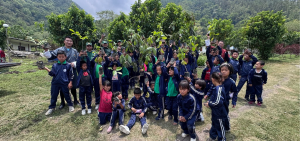
RSPN Bhutan in collaboration with Jigme Singye Wangchuck National Park, DoFPS marked World Environment Day 2026 with the students and...
Read moreToday marks a truly special moment in the conservation journey of the White-bellied Heron, one of the world’s rarest and...
Read more
On this most auspicious occasion, the Royal Society for Protection of Nature (RSPN) is deeply humbled and profoundly honoured that...
Read more
The Royal Society for Protection of Nature (RSPN) today marked a significant milestone with the launch of two important publications....
Read moreYou can now be apart of our conservation initiatives and make a difference!

