༄༅། ། རྒྱལ་འཛིན་རང་བཞིན་སྲུང་སྐྱོབ་ཚོགས་སྡེ།

Royal Society For Protection of Nature

Inspiring personal responsibility for environmental conservation since 1987

RSPN is the only NGO in the country accredited with the Adaptation Fund (AF) as a National Implementing Entity (NIE) and with the Green Climate Fund (GCF) as a Delivery Partner (DP) RSPN is the only NGO in the country accredited with the Adaptation Fund (AF) as a National Implementing Entity (NIE) and with the Green Climate Fund (GCF) as a Delivery Partner (DP)

General Introduction

Bhutan is a small Himalayan kingdom with a well-preserved culture; however, due to the lack of good-quality tourism infrastructure, the government has adopted a cautious approach to developing tourism, opting for a high-spending market and a policy of ‘high value, low volume’. The daily tariff set by the government implicitly controls the number of tourists who can afford to come to the country as well as the length of their stay. Bhutan possesses unique and spectacular cultural and natural attractions that draw tourists to the country. Tourism is the second-largest economic sector after hydroelectric power, a major source of foreign exchange, and is also seen as an important tool to alleviate poverty in Bhutan. While the development of tourism in remote areas around the world has been successful in spurring economic development and aiding in environmental conservation, the introduction of the multifarious forces of modernization brought by tourism in isolated communities has also challenged local values and ways of life.

The ‘livelihood diversification’  brought by the introduction of such new elements into a local economy must be achieved in such a way that traditional livelihoods and the core values of the society are not threatened by the new livelihood options, raising the issue of the cultural sustainability of a livelihood mix. There are also equity issues, such as the fair distribution of the benefits gained from such diversification among all members of society.

To promote Sustainable Livelihoods, people-centered programs are put in place to include local residents in the planning and implementation of conservation actions. They are also locally known as Integrated Conservation Development Programs (ICDPs), defined as “projects that link biodiversity conservation in protected areas with local socio-economic development”.

 Why is it important to conserve livelihood for better conservation?

Conservation efforts often rely on natural resources and ecosystems, which makes the livelihoods of local communities closely intertwined with preserving these areas. When people depend on these resources for their well-being, they naturally develop a vested interest in managing them sustainably. This involvement in responsible resource management helps to curb overexploitation and prevent environmental degradation.

Unfortunately, limited livelihood options can drive communities towards harmful practices like illegal logging, poaching, or overfishing to meet their immediate needs. To mitigate such detrimental activities, it is crucial to provide alternative, sustainable livelihood options. One effective approach is to transform individuals, such as hunters, into eco-tour guides. This way, their livelihoods improve without posing any threat to wildlife, fostering a more sustainable and harmonious relationship with nature.

Moreover, engaging local communities in conservation initiatives offers an excellent opportunity for education and awareness. When people who depend on the environment for their livelihoods understand the importance of conservation and its direct impact on their well-being, they can become powerful advocates for protecting the natural world.
Sustainable Livelihoods Initiatives

Programs & Updates

𝗦𝘁𝗿𝗲𝗻𝗴𝘁𝗵𝗲𝗻𝗶𝗻𝗴 𝗪𝗮𝘁𝗲𝗿 𝗦𝗲𝗰𝘂𝗿𝗶𝘁𝘆 𝗮𝗻𝗱 𝗖𝗹𝗶𝗺𝗮𝘁𝗲 𝗥𝗲𝘀𝗶𝗹𝗶𝗲𝗻𝗰𝗲 𝗶𝗻 𝗧𝗿𝗼𝗻𝗴𝘀𝗮

𝗦𝘁𝗿𝗲𝗻𝗴𝘁𝗵𝗲𝗻𝗶𝗻𝗴 𝗪𝗮𝘁𝗲𝗿 𝗦𝗲𝗰𝘂𝗿𝗶𝘁𝘆 𝗮𝗻𝗱 𝗖𝗹𝗶𝗺𝗮𝘁𝗲 𝗥𝗲𝘀𝗶𝗹𝗶𝗲𝗻𝗰𝗲 𝗶𝗻 𝗧𝗿𝗼𝗻𝗴𝘀𝗮

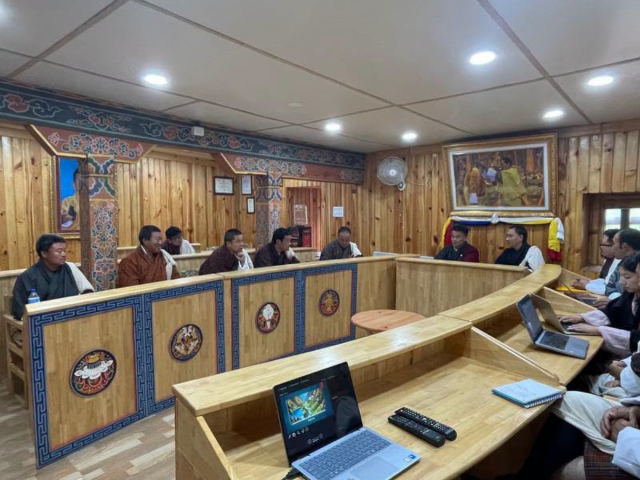
RSPN Bhutan successfully conducted a Project Consultation Meeting with officials of Trongsa Dzongkhag Administration and Dragteng Gewog, followed by the...

Hiring of Local/National Consultant

Interested and qualified national consultants should submit their applications to RSPN before 5:00 pm BST on October 31, 2025, with the...
𝗥𝗦𝗣𝗡 𝗣𝗮𝗿𝘁𝗻𝗲𝗿𝘀 𝘄𝗶𝘁𝗵 𝗗𝗮𝗴𝗮𝗻𝗮 𝗟𝗼𝗰𝗮𝗹 𝗚𝗼𝘃𝗲𝗿𝗻𝗺𝗲𝗻𝘁𝘀 𝘁𝗼 𝗣𝗿𝗼𝗺𝗼𝘁𝗲 𝗦𝘂𝘀𝘁𝗮𝗶𝗻𝗮𝗯𝗹𝗲 𝗟𝗶𝘃𝗲𝗹𝗶𝗵𝗼𝗼𝗱𝘀

𝗥𝗦𝗣𝗡 𝗣𝗮𝗿𝘁𝗻𝗲𝗿𝘀 𝘄𝗶𝘁𝗵 𝗗𝗮𝗴𝗮𝗻𝗮 𝗟𝗼𝗰𝗮𝗹 𝗚𝗼𝘃𝗲𝗿𝗻𝗺𝗲𝗻𝘁𝘀 𝘁𝗼 𝗣𝗿𝗼𝗺𝗼𝘁𝗲 𝗦𝘂𝘀𝘁𝗮𝗶𝗻𝗮𝗯𝗹𝗲 𝗟𝗶𝘃𝗲𝗹𝗶𝗵𝗼𝗼𝗱𝘀

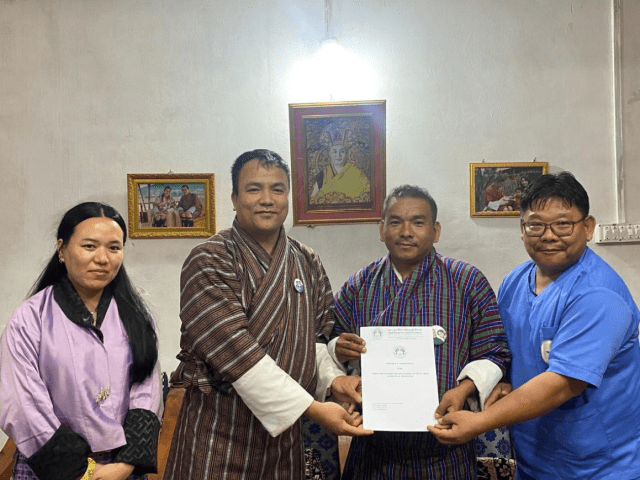
The Royal Society for the Protection of Nature (RSPN), through its ongoing BMUV-IKI Project, has signed a Memorandum of Understanding...
𝗦𝘁𝗿𝗲𝗻𝗴𝘁𝗵𝗲𝗻𝗶𝗻𝗴 𝗖𝗼𝗻𝘀𝗲𝗿𝘃𝗮𝘁𝗶𝗼𝗻 𝘁𝗵𝗿𝗼𝘂𝗴𝗵 𝗖𝗹𝗶𝗺𝗮𝘁𝗲 𝗦𝗺𝗮𝗿𝘁 𝗟𝗶𝘃𝗲𝘀𝘁𝗼𝗰𝗸 𝗜𝗻𝗶𝘁𝗶𝗮𝘁𝗶𝘃𝗲𝘀 𝗶𝗻 𝗪𝗵𝗶𝘁𝗲-𝗯𝗲𝗹𝗹𝗶𝗲𝗱 𝗛𝗲𝗿𝗼𝗻 𝗟𝗮𝗻𝗱𝘀𝗰𝗮𝗽𝗲

𝗦𝘁𝗿𝗲𝗻𝗴𝘁𝗵𝗲𝗻𝗶𝗻𝗴 𝗖𝗼𝗻𝘀𝗲𝗿𝘃𝗮𝘁𝗶𝗼𝗻 𝘁𝗵𝗿𝗼𝘂𝗴𝗵 𝗖𝗹𝗶𝗺𝗮𝘁𝗲 𝗦𝗺𝗮𝗿𝘁 𝗟𝗶𝘃𝗲𝘀𝘁𝗼𝗰𝗸 𝗜𝗻𝗶𝘁𝗶𝗮𝘁𝗶𝘃𝗲𝘀 𝗶𝗻 𝗪𝗵𝗶𝘁𝗲-𝗯𝗲𝗹𝗹𝗶𝗲𝗱 𝗛𝗲𝗿𝗼𝗻 𝗟𝗮𝗻𝗱𝘀𝗰𝗮𝗽𝗲

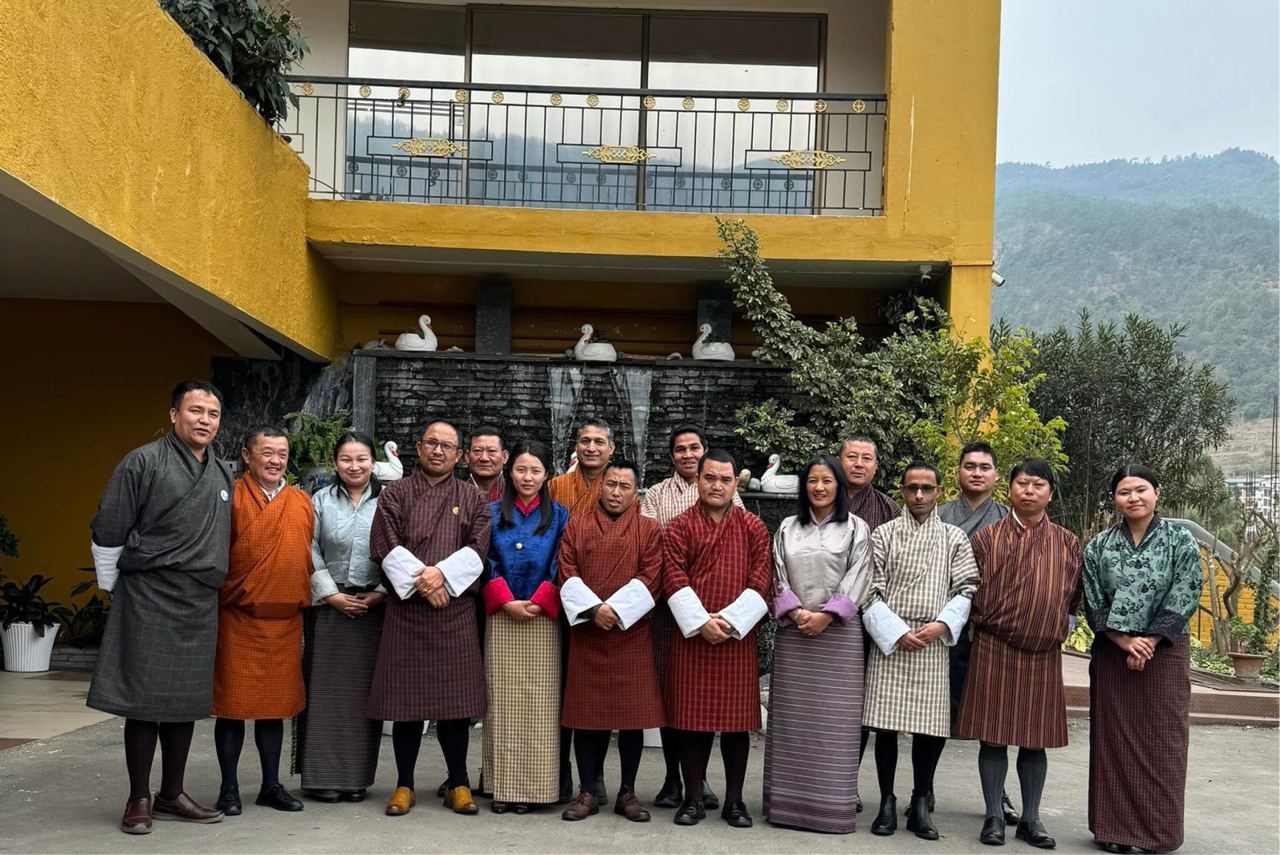
RSPN Bhutan hosted a two-day’s consultation meeting focused on creating sustainable livestock initiatives along the Mangdechhu and Punatshangchhu basins, which...
𝗖𝗼𝗻𝘀𝘂𝗹𝘁𝗮𝘁𝗶𝗼𝗻 𝗠𝗲𝗲𝘁𝗶𝗻𝗴 𝗼𝗻 𝗗𝗲𝘃𝗲𝗹𝗼𝗽𝗺𝗲𝗻𝘁 𝗼𝗳 𝗖𝗼𝗺𝗺𝘂𝗻𝗶𝘁𝘆 𝗦𝗲𝗲𝗱 𝗕𝗮𝗻𝗸𝘀

𝗖𝗼𝗻𝘀𝘂𝗹𝘁𝗮𝘁𝗶𝗼𝗻 𝗠𝗲𝗲𝘁𝗶𝗻𝗴 𝗼𝗻 𝗗𝗲𝘃𝗲𝗹𝗼𝗽𝗺𝗲𝗻𝘁 𝗼𝗳 𝗖𝗼𝗺𝗺𝘂𝗻𝗶𝘁𝘆 𝗦𝗲𝗲𝗱 𝗕𝗮𝗻𝗸𝘀

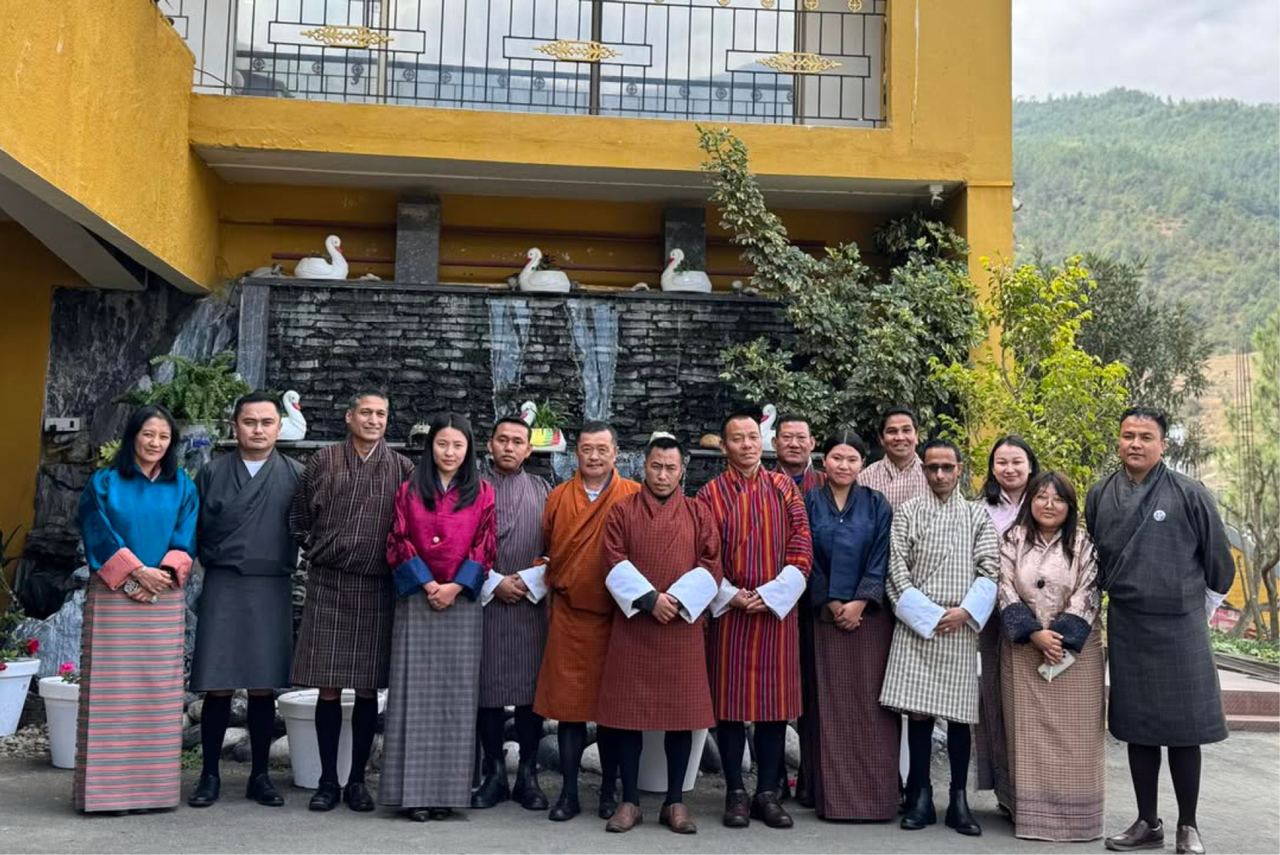
The consultation meeting organized by RSPN Bhutan aimed to discuss the development of community seed banks along the Mangdechhu and...
𝗥𝗲𝘀𝘁𝗼𝗿𝗶𝗻𝗴 𝗕𝗮𝗹𝗮𝗻𝗰𝗲: 𝗘𝗹𝗲𝗰𝘁𝗿𝗶𝗰 𝗙𝗲𝗻𝗰𝗶𝗻𝗴 𝗮𝗻𝗱 𝘁𝗵𝗲 𝗥𝗲𝘁𝘂𝗿𝗻 𝗼𝗳 𝘁𝗵𝗲 𝗪𝗵𝗶𝘁𝗲-𝗯𝗲𝗹𝗹𝗶𝗲𝗱 𝗛𝗲𝗿𝗼𝗻

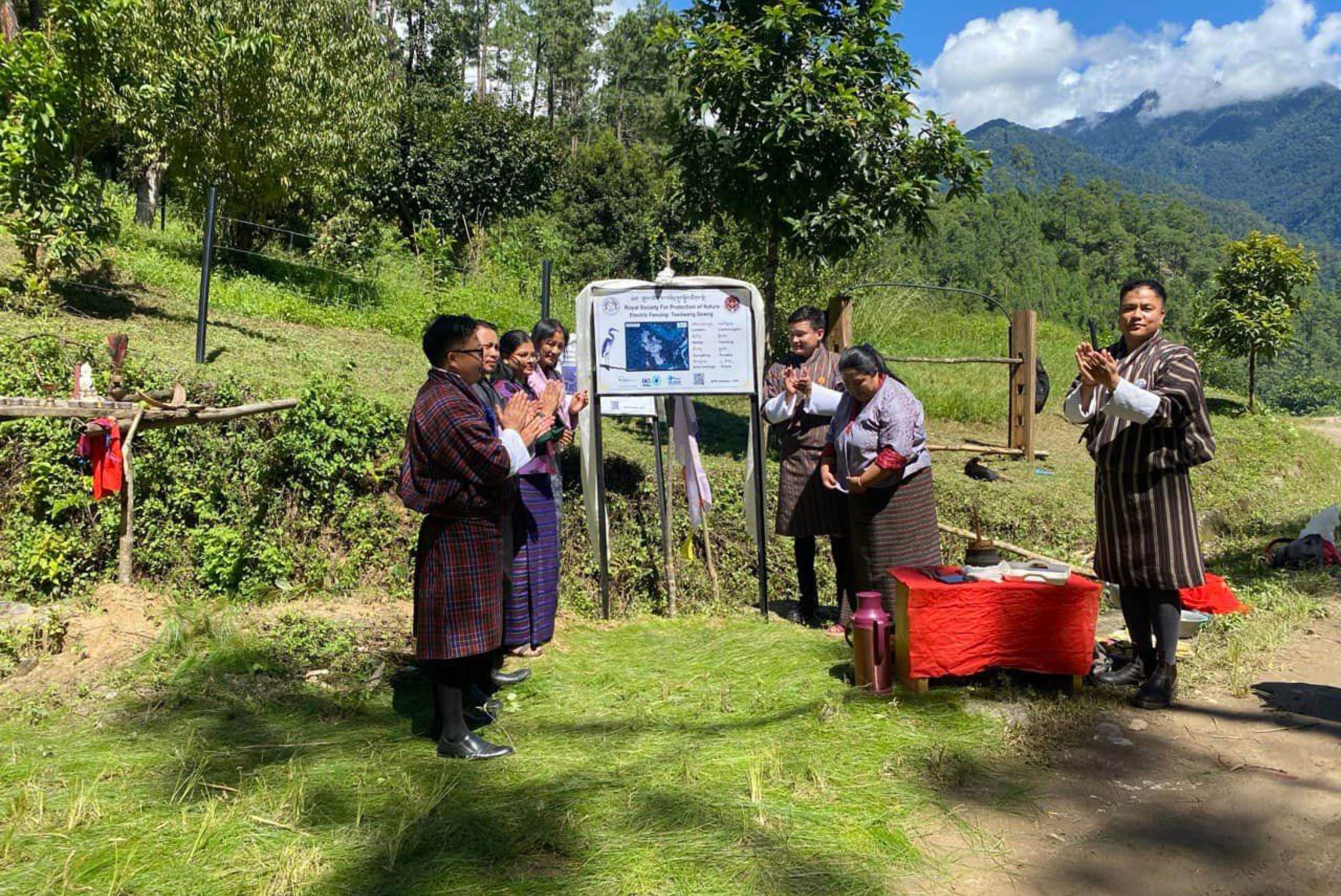
𝗥𝗲𝘀𝘁𝗼𝗿𝗶𝗻𝗴 𝗕𝗮𝗹𝗮𝗻𝗰𝗲: 𝗘𝗹𝗲𝗰𝘁𝗿𝗶𝗰 𝗙𝗲𝗻𝗰𝗶𝗻𝗴 𝗮𝗻𝗱 𝘁𝗵𝗲 𝗥𝗲𝘁𝘂𝗿𝗻 𝗼𝗳 𝘁𝗵𝗲 𝗪𝗵𝗶𝘁𝗲-𝗯𝗲𝗹𝗹𝗶𝗲𝗱 𝗛𝗲𝗿𝗼𝗻

As the harvest season approach, Ap Dorji Rinchen, a resident of Toedwang gewog in Punakha, can finally rest without sacrificing...
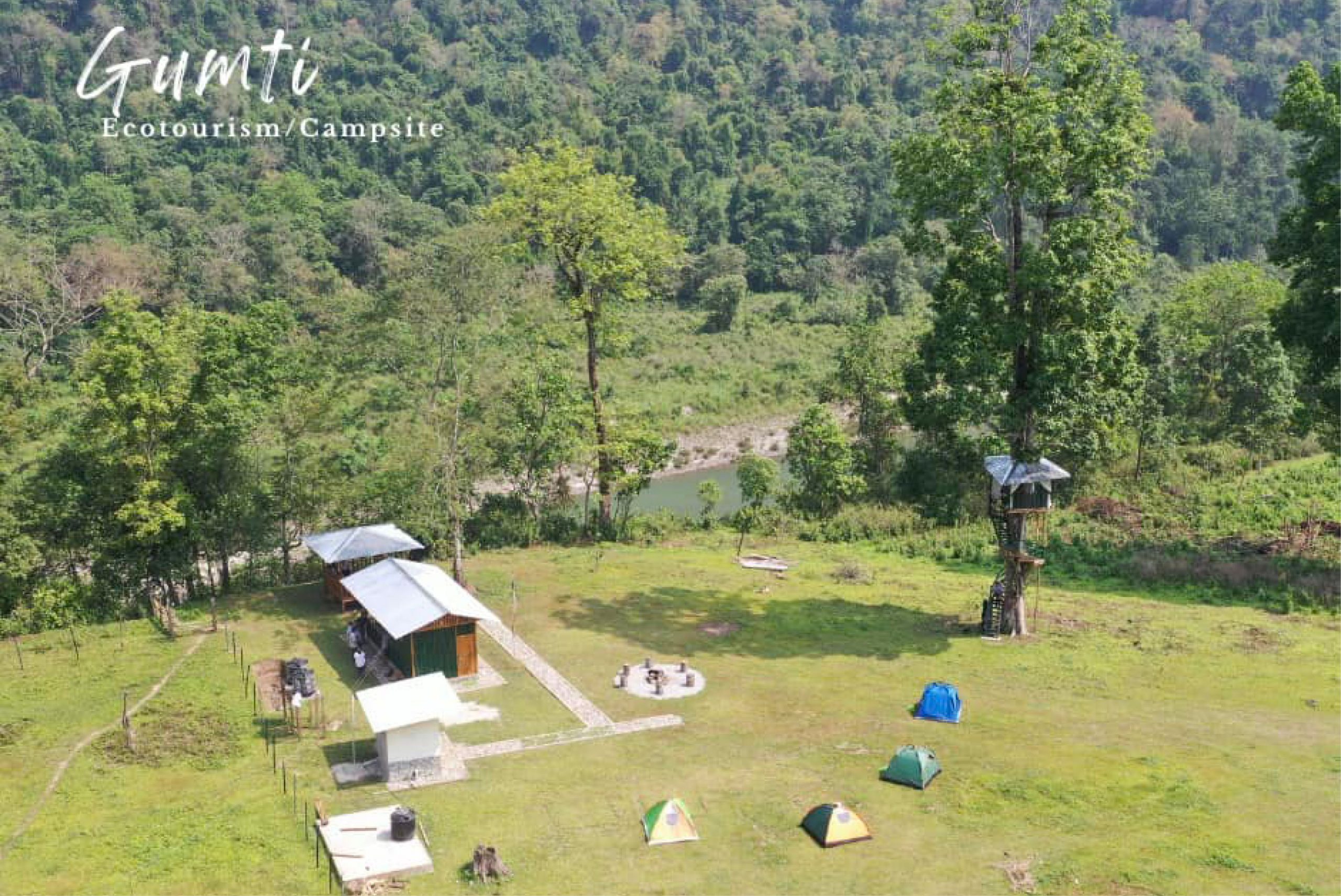
𝗗𝗶𝘀𝗰𝗼𝘃𝗲𝗿 𝘁𝗵𝗲 𝘂𝗻𝗱𝗶𝘀𝗰𝗼𝘃𝗲𝗿𝗲𝗱 𝗚𝘂𝗺𝘁𝗶 𝗘𝗰𝗼𝘁𝗼𝘂𝗿𝗶𝘀𝗺 𝗶𝗻 𝗦𝗼𝘂𝘁𝗵𝗲𝗿𝗻 𝗕𝗵𝘂𝘁𝗮𝗻

𝗗𝗶𝘀𝗰𝗼𝘃𝗲𝗿 𝘁𝗵𝗲 𝘂𝗻𝗱𝗶𝘀𝗰𝗼𝘃𝗲𝗿𝗲𝗱 𝗚𝘂𝗺𝘁𝗶 𝗘𝗰𝗼𝘁𝗼𝘂𝗿𝗶𝘀𝗺 𝗶𝗻 𝗦𝗼𝘂𝘁𝗵𝗲𝗿𝗻 𝗕𝗵𝘂𝘁𝗮𝗻

In the southern reach of Bhutan, amidst the vibrant lust forest and tranquil valleys of Dagana District, the locals of...
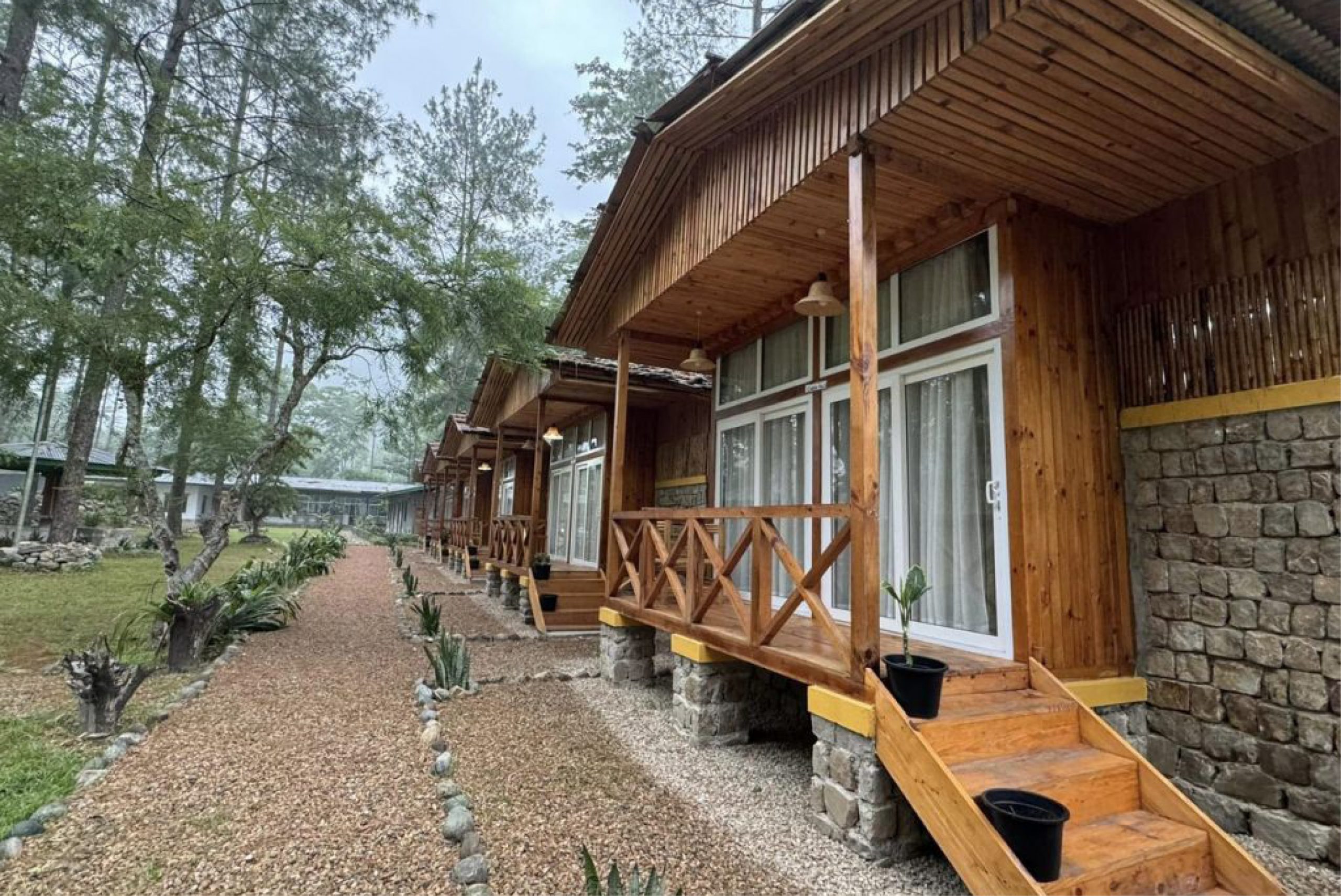
𝗘𝗺𝗽𝗼𝘄𝗲𝗿𝗶𝗻𝗴 𝗟𝗼𝗰𝗮𝗹 𝗖𝗵𝗮𝗺𝗽𝗶𝗼𝗻𝘀 𝗳𝗼𝗿 𝗦𝘂𝘀𝘁𝗮𝗶𝗻𝗮𝗯𝗹𝗲 𝗧𝗼𝘂𝗿𝗶𝘀𝗺 𝘁𝗵𝗿𝗼𝘂𝗴𝗵 𝗖𝗼𝗺𝗺𝘂𝗻𝗶𝘁𝘆-𝗕𝗮𝘀𝗲𝗱 𝗧𝗼𝘂𝗿𝗶𝘀𝗺 (𝗖𝗕𝗧) 𝗶𝗻 𝗘𝗶𝗴𝗵𝘁 𝗗𝗶𝘀𝘁𝗿𝗶𝗰𝘁𝘀

𝗘𝗺𝗽𝗼𝘄𝗲𝗿𝗶𝗻𝗴 𝗟𝗼𝗰𝗮𝗹 𝗖𝗵𝗮𝗺𝗽𝗶𝗼𝗻𝘀 𝗳𝗼𝗿 𝗦𝘂𝘀𝘁𝗮𝗶𝗻𝗮𝗯𝗹𝗲 𝗧𝗼𝘂𝗿𝗶𝘀𝗺 𝘁𝗵𝗿𝗼𝘂𝗴𝗵 𝗖𝗼𝗺𝗺𝘂𝗻𝗶𝘁𝘆-𝗕𝗮𝘀𝗲𝗱 𝗧𝗼𝘂𝗿𝗶𝘀𝗺 (𝗖𝗕𝗧) 𝗶𝗻 𝗘𝗶𝗴𝗵𝘁 𝗗𝗶𝘀𝘁𝗿𝗶𝗰𝘁𝘀

Aum Pema from Merak is reached her hometown in far eastern Bhutan today from the long tedious bus journey she...
𝗕𝗲𝗿𝘁𝗶 𝗩𝗶𝗹𝗹𝗮𝗴𝗲: 𝗔 𝗖𝗼𝗺𝗺𝘂𝗻𝗶𝘁𝘆 𝗮𝘀𝘀𝗼𝗰𝗶𝗮𝘁𝗲𝗱 𝘄𝗶𝘁𝗵 𝗪𝗵𝗶𝘁𝗲-𝗯𝗲𝗹𝗹𝗶𝗲𝗱 𝗛𝗲𝗿𝗼𝗻

𝗕𝗲𝗿𝘁𝗶 𝗩𝗶𝗹𝗹𝗮𝗴𝗲: 𝗔 𝗖𝗼𝗺𝗺𝘂𝗻𝗶𝘁𝘆 𝗮𝘀𝘀𝗼𝗰𝗶𝗮𝘁𝗲𝗱 𝘄𝗶𝘁𝗵 𝗪𝗵𝗶𝘁𝗲-𝗯𝗲𝗹𝗹𝗶𝗲𝗱 𝗛𝗲𝗿𝗼𝗻

In the serene river valley of Mangdechhu in Zhemgang, lies Berti village, a small yet vibrant community deeply associated with...
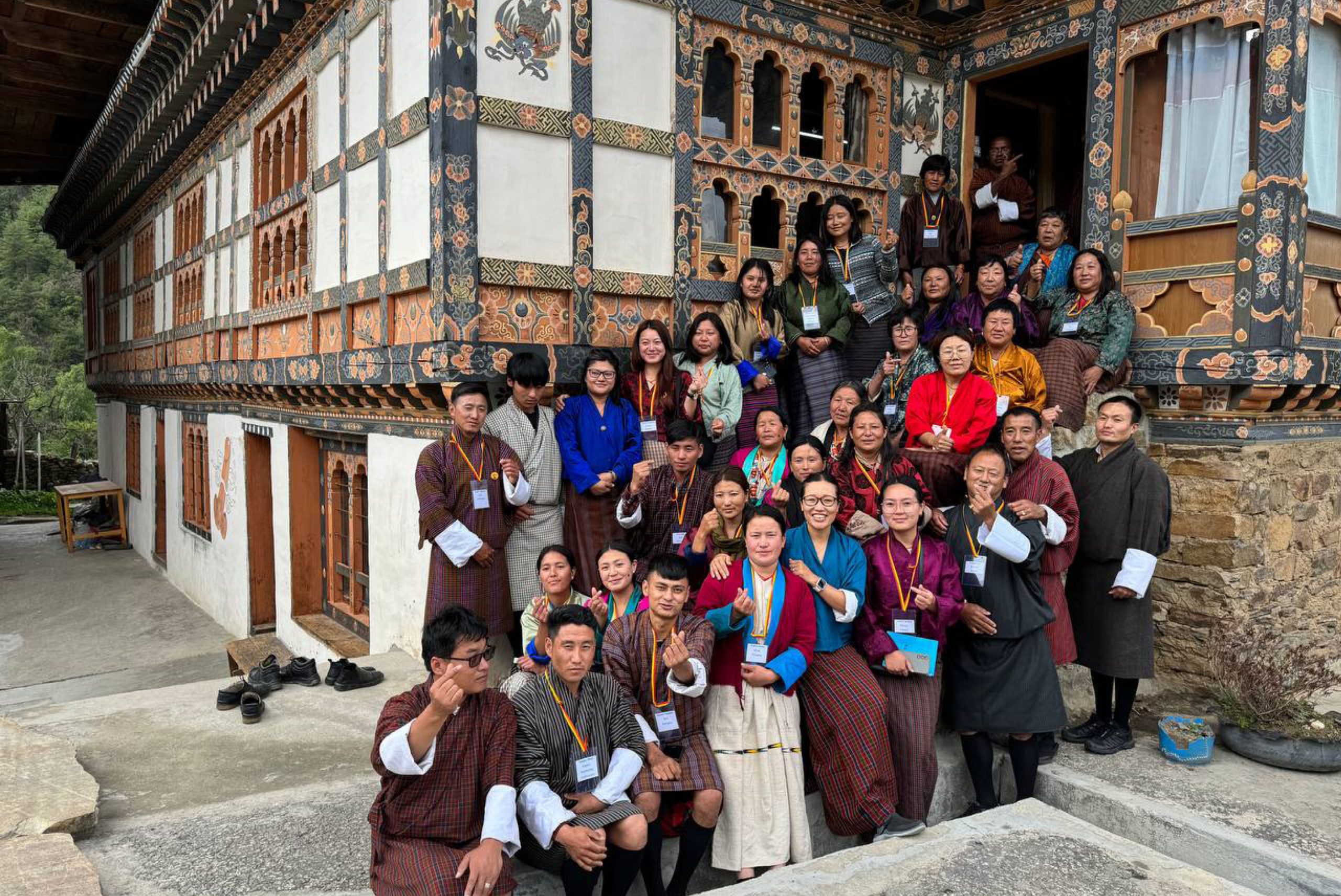
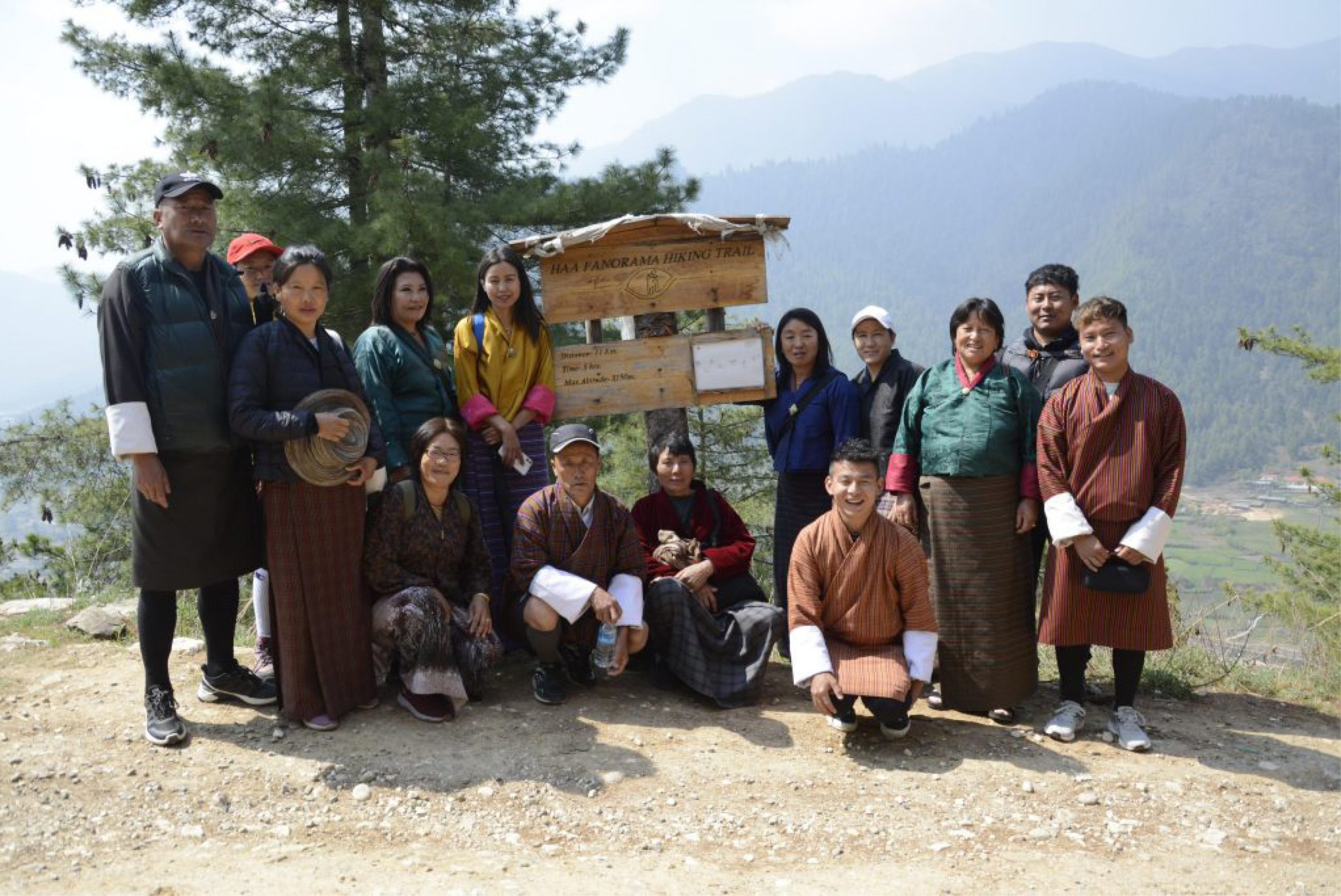
𝗘𝘅𝗽𝗹𝗼𝗿𝗶𝗻𝗴 𝘁𝗵𝗲 𝗵𝗲𝗮𝗿𝘁 𝗼𝗳 𝗖𝗼𝗺𝗺𝘂𝗻𝗶𝘁𝘆-𝗯𝗮𝘀𝗲𝗱 𝗧𝗼𝘂𝗿𝗶𝘀𝗺 𝗶𝗻 𝗛𝗮𝗮

𝗘𝘅𝗽𝗹𝗼𝗿𝗶𝗻𝗴 𝘁𝗵𝗲 𝗵𝗲𝗮𝗿𝘁 𝗼𝗳 𝗖𝗼𝗺𝗺𝘂𝗻𝗶𝘁𝘆-𝗯𝗮𝘀𝗲𝗱 𝗧𝗼𝘂𝗿𝗶𝘀𝗺 𝗶𝗻 𝗛𝗮𝗮

The seven-day ‘Peer Learning Trip to Haa’ to explore Community-based tourism initiatives was held from  25th April to 1st May,...
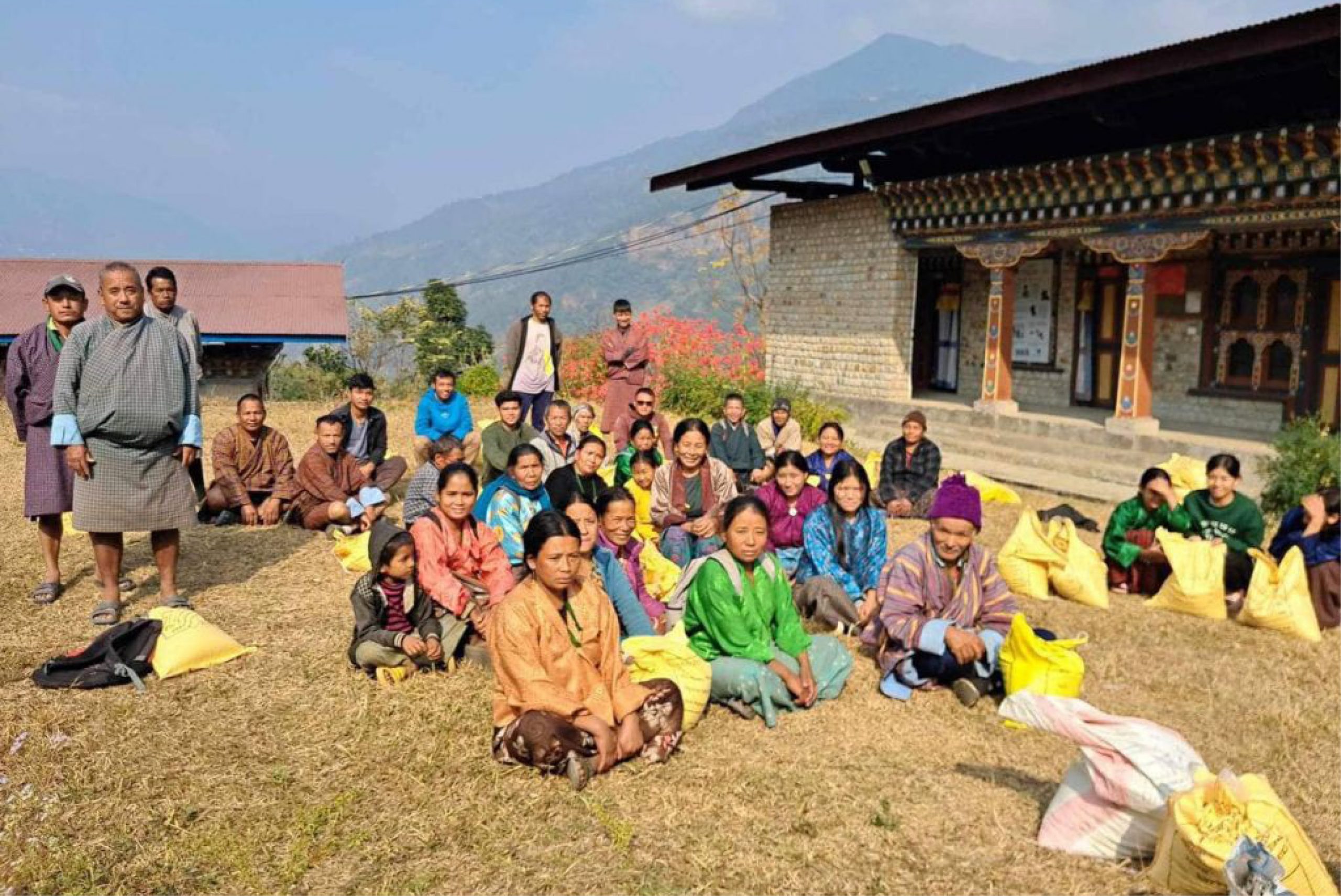
𝗥𝗦𝗣𝗡 𝘁𝗲𝗮𝗺 𝗮𝗻𝗱 𝗘𝘅𝘁𝗲𝗻𝘀𝗶𝗼𝗻 𝗔𝗴𝗿𝗶𝗰𝘂𝗹𝘁𝘂𝗿𝗲 𝗼𝗳𝗳𝗶𝗰𝗲𝗿𝘀 𝗱𝗶𝘀𝘁𝗿𝗶𝗯𝘂𝘁𝗲𝗱 𝗵𝘆𝗯𝗿𝗶𝗱 𝘀𝗲𝗲𝗱 𝗮𝗻𝗱 𝘀𝗲𝗲𝗱𝗹𝗶𝗻𝗴𝘀 𝘁𝗼 𝟭𝟯𝟱 𝗵𝗼𝘂𝘀𝗲𝗵𝗼𝗹𝗱𝘀 𝘂𝗻𝗱𝗲𝗿 𝗡𝗶𝗺𝘀𝗵𝗼𝗻𝗴 𝗖𝗵𝗶𝘄𝗼𝗴, 𝗧𝗿𝗼𝗻𝗴𝘀𝗮 𝗮𝗻𝗱 𝗡𝗼𝗿𝗯𝘂𝗹𝗶𝗻𝗴 𝗖𝗵𝗶𝘄𝗼𝗴, 𝗗𝗮𝗴𝗮𝗻𝗮 𝗱𝗶𝘀𝘁𝗿𝗶𝗰𝘁𝘀

𝗥𝗦𝗣𝗡 𝘁𝗲𝗮𝗺 𝗮𝗻𝗱 𝗘𝘅𝘁𝗲𝗻𝘀𝗶𝗼𝗻 𝗔𝗴𝗿𝗶𝗰𝘂𝗹𝘁𝘂𝗿𝗲 𝗼𝗳𝗳𝗶𝗰𝗲𝗿𝘀 𝗱𝗶𝘀𝘁𝗿𝗶𝗯𝘂𝘁𝗲𝗱 𝗵𝘆𝗯𝗿𝗶𝗱 𝘀𝗲𝗲𝗱 𝗮𝗻𝗱 𝘀𝗲𝗲𝗱𝗹𝗶𝗻𝗴𝘀 𝘁𝗼 𝟭𝟯𝟱 𝗵𝗼𝘂𝘀𝗲𝗵𝗼𝗹𝗱𝘀 𝘂𝗻𝗱𝗲𝗿 𝗡𝗶𝗺𝘀𝗵𝗼𝗻𝗴 𝗖𝗵𝗶𝘄𝗼𝗴, 𝗧𝗿𝗼𝗻𝗴𝘀𝗮 𝗮𝗻𝗱 𝗡𝗼𝗿𝗯𝘂𝗹𝗶𝗻𝗴 𝗖𝗵𝗶𝘄𝗼𝗴, 𝗗𝗮𝗴𝗮𝗻𝗮 𝗱𝗶𝘀𝘁𝗿𝗶𝗰𝘁𝘀

Coinciding with the auspicious Birth Anniversary of our beloved Gyalsey, Jigme Namgyel Wangchuck, RSPN team and Extension Agriculture officers distributed...
𝗔 𝘃𝗶𝘀𝗶𝘁 𝗯𝘆 𝘁𝗲𝗮𝗺 𝗳𝗿𝗼𝗺 𝗜𝗖𝗜𝗠𝗢𝗗 𝗮𝗻𝗱 𝗗𝗲𝗽𝗮𝗿𝘁𝗺𝗲𝗻𝘁 𝗼𝗳 𝗧𝗼𝘂𝗿𝗶𝘀𝗺 𝘁𝗼 𝗥𝗦𝗣𝗡

𝗔 𝘃𝗶𝘀𝗶𝘁 𝗯𝘆 𝘁𝗲𝗮𝗺 𝗳𝗿𝗼𝗺 𝗜𝗖𝗜𝗠𝗢𝗗 𝗮𝗻𝗱 𝗗𝗲𝗽𝗮𝗿𝘁𝗺𝗲𝗻𝘁 𝗼𝗳 𝗧𝗼𝘂𝗿𝗶𝘀𝗺 𝘁𝗼 𝗥𝗦𝗣𝗡

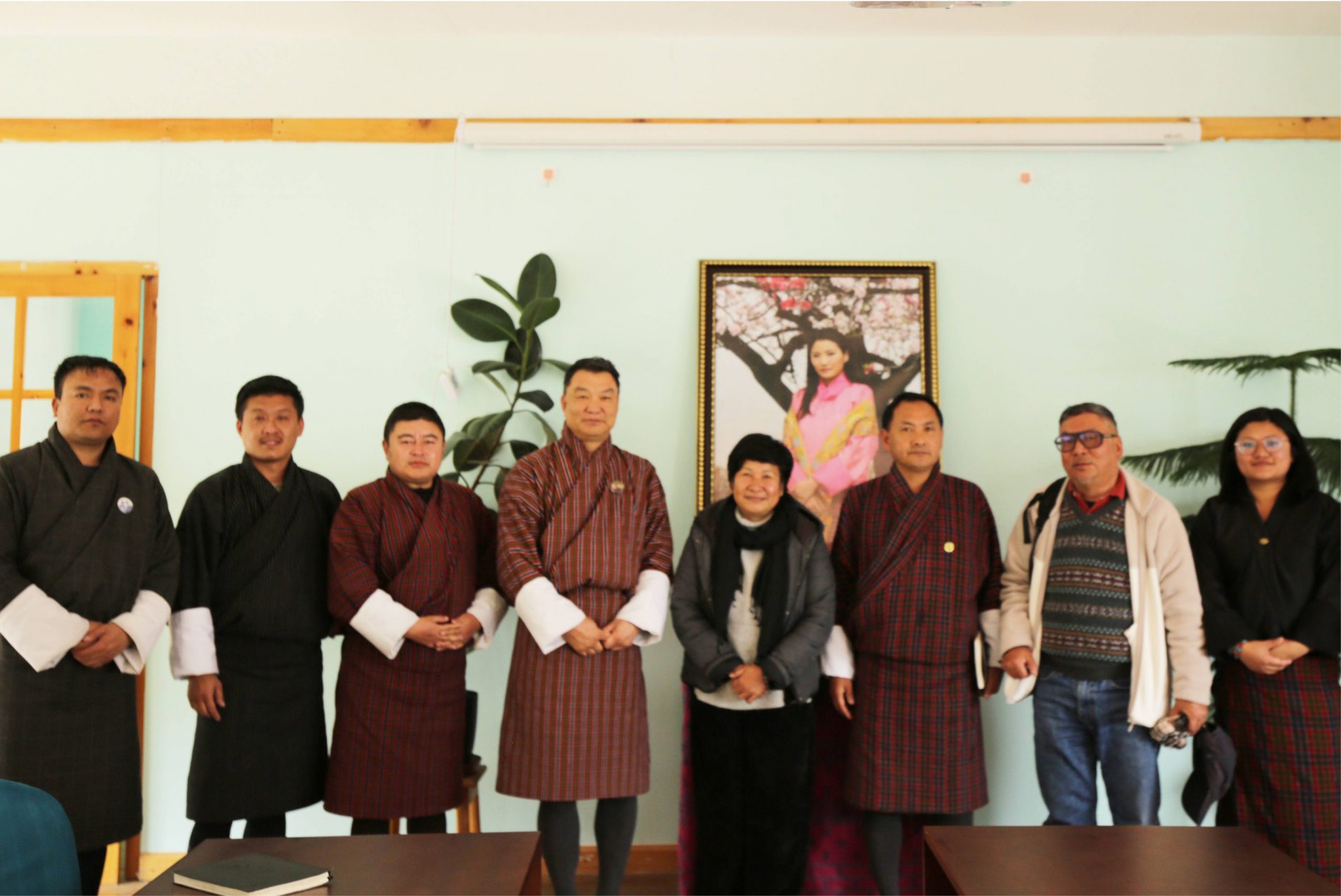
RSPN is happy to receive a team from ICIMOD and Department of Tourism to consult on the development of a...
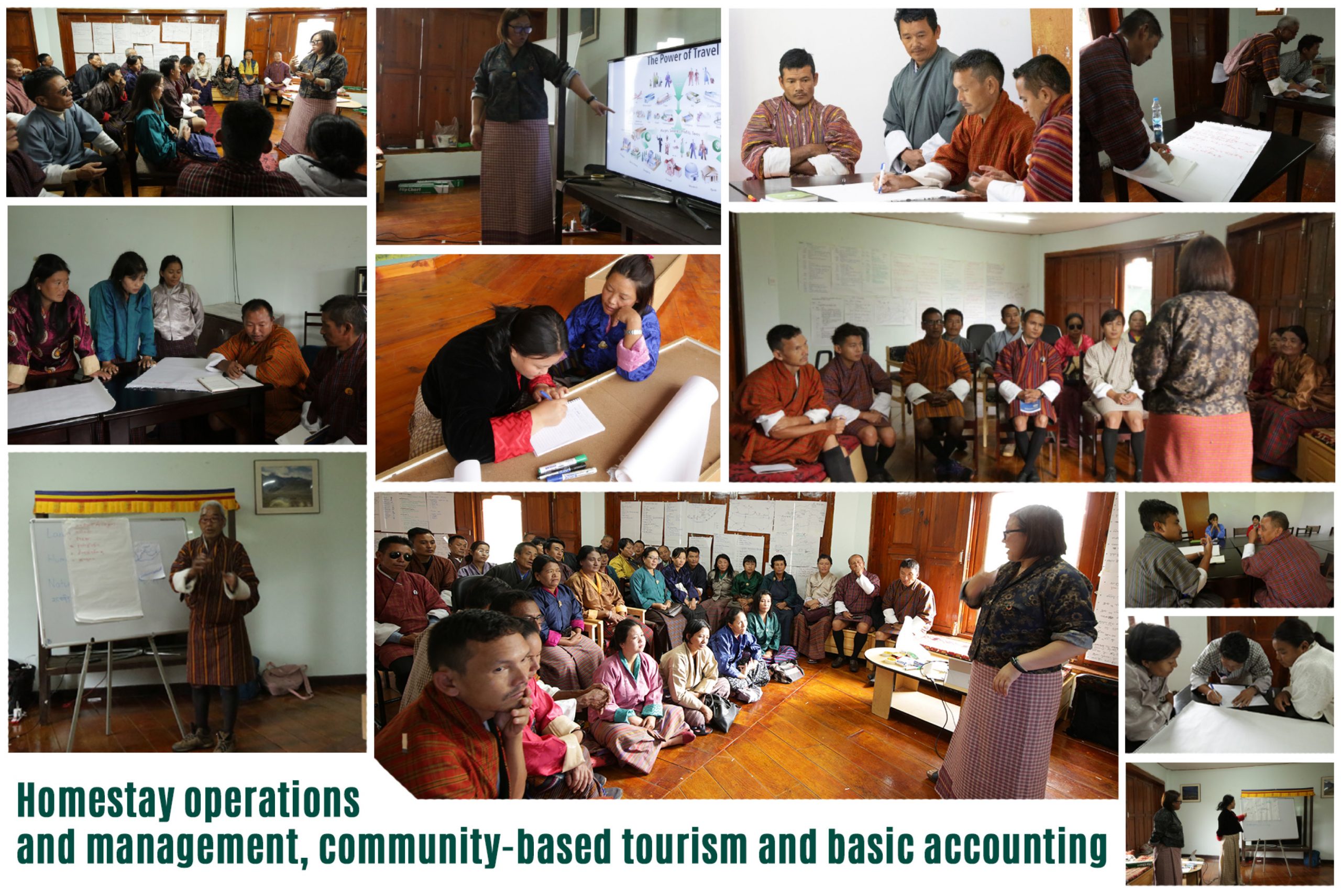
𝗘𝗺𝗽𝗼𝘄𝗲𝗿𝗶𝗻𝗴 𝗛𝗼𝗺𝗲𝘀𝘁𝗮𝘆 𝗠𝗮𝗻𝗮𝗴𝗲𝗿𝘀

𝗘𝗺𝗽𝗼𝘄𝗲𝗿𝗶𝗻𝗴 𝗛𝗼𝗺𝗲𝘀𝘁𝗮𝘆 𝗠𝗮𝗻𝗮𝗴𝗲𝗿𝘀

Community-based Tourism plays a significant role in White-bellied Heron (WbH) conservation by raising awareness among visitors. This increased awareness can...
𝗧𝗿𝗮𝗶𝗻𝗶𝗻𝗴 𝗼𝗳 𝗰𝗼𝗺𝗺𝘂𝗻𝗶𝘁𝘆 𝗴𝗿𝗼𝘂𝗽𝘀 𝗳𝗼𝗿 𝗺𝗮𝗻𝗮𝗴𝗶𝗻𝗴 𝗛𝘂𝗺𝗮𝗻-𝗪𝗶𝗹𝗱𝗹𝗶𝗳𝗲 𝗖𝗼𝗻𝗳𝗹𝗶𝗰𝘁

𝗧𝗿𝗮𝗶𝗻𝗶𝗻𝗴 𝗼𝗳 𝗰𝗼𝗺𝗺𝘂𝗻𝗶𝘁𝘆 𝗴𝗿𝗼𝘂𝗽𝘀 𝗳𝗼𝗿 𝗺𝗮𝗻𝗮𝗴𝗶𝗻𝗴 𝗛𝘂𝗺𝗮𝗻-𝗪𝗶𝗹𝗱𝗹𝗶𝗳𝗲 𝗖𝗼𝗻𝗳𝗹𝗶𝗰𝘁

Human-wildlife Conflict(HWC) can occur in various forms, such as crop depredation by angulates, predation on livestock by carnivores, and direct...
𝗘𝗻𝗵𝗮𝗻𝗰𝗶𝗻𝗴 𝗖𝗼𝗺𝗺𝘂𝗻𝗶𝘁𝘆 𝗟𝗶𝘃𝗲𝗹𝗶𝗵𝗼𝗼𝗱𝘀 𝗮𝘀 𝗰𝗼-𝗯𝗲𝗻𝗲𝗳𝗶𝘁𝘀 𝗼𝗳 𝗕𝗶𝗼𝗱𝗶𝘃𝗲𝗿𝘀𝗶𝘁𝘆 𝗖𝗼𝗻𝘀𝗲𝗿𝘃𝗮𝘁𝗶𝗼𝗻

𝗘𝗻𝗵𝗮𝗻𝗰𝗶𝗻𝗴 𝗖𝗼𝗺𝗺𝘂𝗻𝗶𝘁𝘆 𝗟𝗶𝘃𝗲𝗹𝗶𝗵𝗼𝗼𝗱𝘀 𝗮𝘀 𝗰𝗼-𝗯𝗲𝗻𝗲𝗳𝗶𝘁𝘀 𝗼𝗳 𝗕𝗶𝗼𝗱𝗶𝘃𝗲𝗿𝘀𝗶𝘁𝘆 𝗖𝗼𝗻𝘀𝗲𝗿𝘃𝗮𝘁𝗶𝗼𝗻

  RSPN in collaboration with the District Agriculture and Livestock Sectors has kick-started the implementation of the Climate-Smart Agriculture (CSA)...
𝗦𝘁𝗮𝗸𝗲𝗵𝗼𝗹𝗱𝗲𝗿 𝗖𝗼𝗻𝘀𝘂𝗹𝘁𝗮𝘁𝗶𝘃𝗲 𝗠𝗲𝗲𝘁𝗶𝗻𝗴 𝗳𝗼𝗿 𝗖𝗼𝗺𝗺𝘂𝗻𝗶𝘁𝘆-𝗕𝗮𝘀𝗲𝗱 𝗘𝗰𝗼𝘁𝗼𝘂𝗿𝗶𝘀𝗺 (𝗖𝗕𝗘𝗧) 𝗗𝗲𝘃𝗲𝗹𝗼𝗽𝗺𝗲𝗻𝘁

𝗦𝘁𝗮𝗸𝗲𝗵𝗼𝗹𝗱𝗲𝗿 𝗖𝗼𝗻𝘀𝘂𝗹𝘁𝗮𝘁𝗶𝘃𝗲 𝗠𝗲𝗲𝘁𝗶𝗻𝗴 𝗳𝗼𝗿 𝗖𝗼𝗺𝗺𝘂𝗻𝗶𝘁𝘆-𝗕𝗮𝘀𝗲𝗱 𝗘𝗰𝗼𝘁𝗼𝘂𝗿𝗶𝘀𝗺 (𝗖𝗕𝗘𝗧) 𝗗𝗲𝘃𝗲𝗹𝗼𝗽𝗺𝗲𝗻𝘁

To strengthen the collaboration and coordination among various stakeholders in the Tourism Fraternity, a stakeholder consultative was organized by RSPN...
𝗦𝘁𝗮𝗸𝗲𝗵𝗼𝗹𝗱𝗲𝗿 𝗖𝗼𝗻𝘀𝘂𝗹𝘁𝗮𝘁𝗶𝗼𝗻 𝗼𝗻 𝗖𝗼𝗺𝗺𝘂𝗻𝗶𝘁𝘆-𝗯𝗮𝘀𝗲𝗱 𝗘𝗰𝗼𝘁𝗼𝘂𝗿𝗶𝘀𝗺 (𝗖𝗕𝗘𝗧) 𝗙𝗲𝗮𝘀𝗶𝗯𝗶𝗹𝗶𝘁𝘆 𝗔𝘀𝘀𝗲𝘀𝘀𝗺𝗲𝗻𝘁 𝗰𝗼𝗺𝗽𝗹𝗲𝘁𝗲𝗱

𝗦𝘁𝗮𝗸𝗲𝗵𝗼𝗹𝗱𝗲𝗿 𝗖𝗼𝗻𝘀𝘂𝗹𝘁𝗮𝘁𝗶𝗼𝗻 𝗼𝗻 𝗖𝗼𝗺𝗺𝘂𝗻𝗶𝘁𝘆-𝗯𝗮𝘀𝗲𝗱 𝗘𝗰𝗼𝘁𝗼𝘂𝗿𝗶𝘀𝗺 (𝗖𝗕𝗘𝗧) 𝗙𝗲𝗮𝘀𝗶𝗯𝗶𝗹𝗶𝘁𝘆 𝗔𝘀𝘀𝗲𝘀𝘀𝗺𝗲𝗻𝘁 𝗰𝗼𝗺𝗽𝗹𝗲𝘁𝗲𝗱

  A team from RSPN together with the experts from the Eco call Consultancy and Athang Pvt. Ltd. has successfully...

How can you help?

You can now be apart of our conservation initiatives and make a difference!