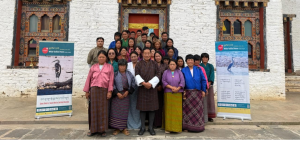
Where Rivers Meet Livelihoods: Building a Future for the White-bellied Heron in the Kurichu River Basin
In the river valleys of eastern Bhutan, one of the world’s rarest birds is slowly reappearing. Each sighting of the...
Read more
༄༅། ། རྒྱལ་འཛིན་རང་བཞིན་སྲུང་སྐྱོབ་ཚོགས་སྡེ།
Inspiring personal responsibility for environmental conservation since 1987
With nearly 70% forest cover and rich biodiversity, Bhutan’s vibrant ecosystems coexist closely with rural communities, where about 60% of the population lives. This proximity often leads to human-wildlife conflict (HWC), especially when wildlife raids crops, threatening farmers’ livelihoods and creating tension between people and nature. While balancing conservation with community well-being remains a key challenge for Bhutan, it can be minimized through effective management and strong partnerships between local communities and authorities. Recognizing this, the government has rolled out multiple interventions over the years to protect both people and wildlife alike.
Similarly, RSPN recognizes HWC as a critical challenge in the communities in our working areas. To complement government efforts in addressing this issue, RSPN provides physical support such as installing electric and solar fencing to protect farmland from wildlife intrusion. Additionally, we offer financial assistance to compensate households affected by crop damage, helping to ease the economic burden on farmers and strengthen community resilience
In the river valleys of eastern Bhutan, one of the world’s rarest birds is slowly reappearing. Each sighting of the...
Read more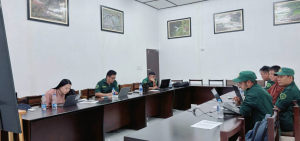
With only 31 White-bellied Herons recorded in Bhutan in 2026, every survey, every nest, and every conservation decision counts. RSPN...
Read more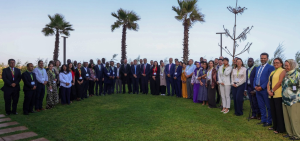
RSPN participated in the 14th Adaptation Fund (AF) Annual National Implementing Entity (NIE) Seminar, held from 15–17 September 2026 in Rabat,...
Read more
The Royal Society for Protection of Nature (RSPN) participated in the BirdLife International Global Partnership Meeting and Global Flyways Summit,...
Read more
The Green Climate Fund (GCF) Regional Dialogue with East and South Asia was held in Colombo, Sri Lanka, from 14–17...
Read more
“Why are these birds important?” That was one of the many questions that sparked curiosity among the young Nature Club...
Read more
8–14 August 2026 | New Delhi and Leh–Ladakh, India A conservation story that began in the wetlands of Gangtey–Phobjikha, Bhutan,...
Read more
RSPN Bhutan with support from the Bhutan Foundation 𝗦𝗺𝗮𝗹𝗹 𝗚𝗿𝗮𝗻𝘁𝘀 𝗣𝗿𝗼𝗴𝗿𝗮𝗺𝗺𝗲 (𝗦𝗚𝗣), conducted Inception and Coordination meetings on 13–14 August...
Read more
The Royal Society for Protection of Nature (RSPN) is pleased to announce the signing of a grant agreement with the...
Read moreYou can now be apart of our conservation initiatives and make a difference!