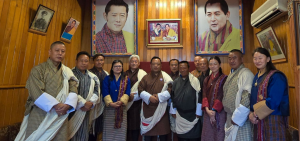
𝗦𝘁𝗿𝗲𝗻𝗴𝘁𝗵𝗲𝗻𝗶𝗻𝗴 𝗖𝗼𝗺𝗺𝘂𝗻𝗶𝘁𝘆-𝗕𝗮𝘀𝗲𝗱 𝗧𝗼𝘂𝗿𝗶𝘀𝗺 𝗶𝗻 𝗞𝗮𝗯𝗷𝗶𝘀𝗮
RSPN Bhutan with support from the Bhutan Foundation 𝗦𝗺𝗮𝗹𝗹 𝗚𝗿𝗮𝗻𝘁𝘀 𝗣𝗿𝗼𝗴𝗿𝗮𝗺𝗺𝗲 (𝗦𝗚𝗣), conducted Inception and Coordination meetings on 13–14 August 2026 for the project…
Read more
༄༅། ། རྒྱལ་འཛིན་རང་བཞིན་སྲུང་སྐྱོབ་ཚོགས་སྡེ།
Inspiring personal responsibility for environmental conservation since 1987
Ecotourism is of great importance to Bhutan due to the country’s commitment to environmental conservation and sustainable development. Ecotourism plays a vital role in promoting and preservation of valuable resources while also providing economic opportunities for local communities. Bhutanis also gifted with rich cultural heritage and traditions, which are closely linked to its natural environment. Promotion of Ecotourism helps to showcase these cultural treasures, which provides opportunities for visitors to respects our age-old traditions, customs, and beliefs, and learn about Bhutan’s unique ecosystems, conservation initiatives, and sustainable practices.
RSPN promotes community-based ecotourism initiatives that offer visitors an authentic experience while ensuring the conservation of natural and cultural resources. This initiative includes support for establishment of village homestays, nature trail and campsites, and training of local communities in hospitality services, guiding, and nature interpretation to create income-generating opportunities.
RSPN Bhutan with support from the Bhutan Foundation 𝗦𝗺𝗮𝗹𝗹 𝗚𝗿𝗮𝗻𝘁𝘀 𝗣𝗿𝗼𝗴𝗿𝗮𝗺𝗺𝗲 (𝗦𝗚𝗣), conducted Inception and Coordination meetings on 13–14 August 2026 for the project…
Read more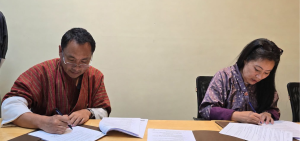
The Royal Society for Protection of Nature (RSPN) is pleased to announce the signing of a grant agreement with the Bhutan Foundation for the…
Read more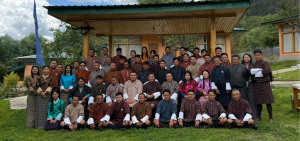
𝗛𝗮𝗮 𝗛𝗲𝗿𝗶𝘁𝗮𝗴𝗲 𝗛𝗼𝘁𝗲𝗹, 𝗛𝗮𝗮 𝗗𝗶𝘀𝘁𝗿𝗶𝗰𝘁 | 𝟭𝟲 𝗝𝘂𝗻𝗲 𝟮𝟬𝟮𝟲 Today, in the beautiful valleys of Haa, stories of conservation, resilience, and community came alive…
Read more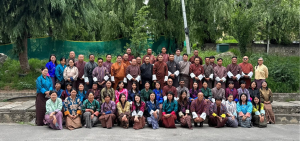
On June 9, 2026, the Royal Society for the Protection of Nature (RSPN) successfully convened a workshop on 𝗖𝗼𝗺𝗺𝘂𝗻𝗶𝘁𝘆-𝗕𝗮𝘀𝗲𝗱 𝗧𝗼𝘂𝗿𝗶𝘀𝗺 and 𝗠𝗮𝗿𝗸𝗲𝘁 𝗟𝗶𝗻𝗸𝗮𝗴𝗲𝘀. Homestay…
Read more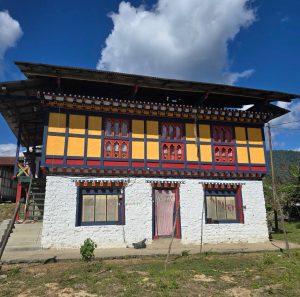
We are pleased to share that 𝟮𝟭 𝗵𝗼𝘂𝘀𝗲𝗵𝗼𝗹𝗱𝘀, supported under RSPN’s Community-based Tourism (#CBT) initiative through the ongoing BMUV-IKI project, have successfully received Village…
Read more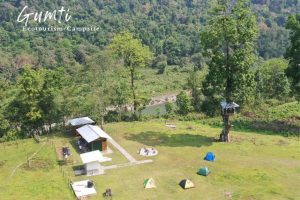
In the southern reach of Bhutan, amidst the vibrant lust forest and tranquil valleys of Dagana District, the locals of Bara Gumti village have…
Read more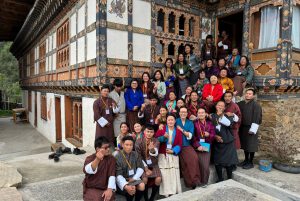
Aum Pema from Merak is reached her hometown in far eastern Bhutan today from the long tedious bus journey she has taken from Haa.…
Read more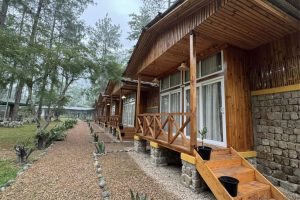
In the serene river valley of Mangdechhu in Zhemgang, lies Berti village, a small yet vibrant community deeply associated with the conservation of the…
Read more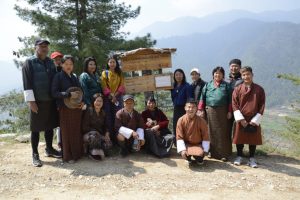
The seven-day ‘Peer Learning Trip to Haa’ to explore Community-based tourism initiatives was held from 25th April to 1st May, 2024. This immersive experience…
Read more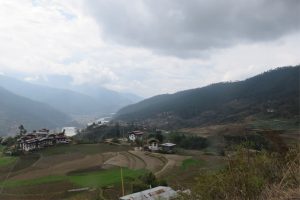
We are thrilled to share that out of the 62 supported houses aiming to become Village Homestays, 12 have now earned certification from the…
Read more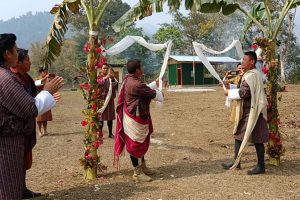
Ready for the perfect holiday getaways? Look no further! Gumti Ecotourism in Dagana District is now open to offer you unforgettable experiences. Embark on…
Read more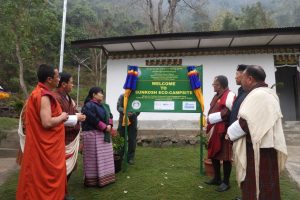
Commemorating the joyous Birth Anniversary of our beloved Gyalsey Jigme Namgyel Wangchuck, #tourism facilities including a campsite, nature trail, hot stone bathing facilities, and…
Read more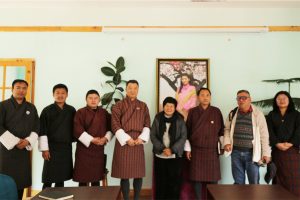
RSPN is happy to receive a team from ICIMOD and Department of Tourism to consult on the development of a roadmap for the collaborative…
Read more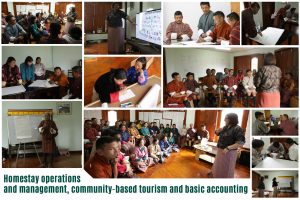
Community-based Tourism plays a significant role in White-bellied Heron (WbH) conservation by raising awareness among visitors. This increased awareness can lead to a greater…
Read more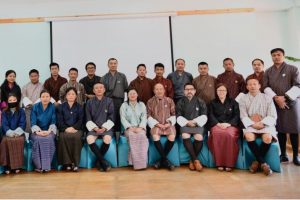
To strengthen the collaboration and coordination among various stakeholders in the Tourism Fraternity, a stakeholder consultative was organized by RSPN on August 9th, 2022.…
Read more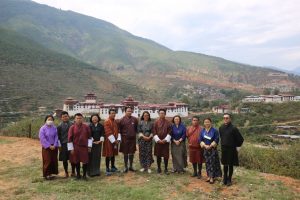
A team from RSPN together with the experts from the Eco call Consultancy and Athang Pvt. Ltd. has successfully completed the consultation meetings…
Read moreYou can now be apart of our conservation initiatives and make a difference!