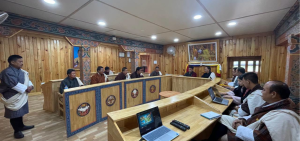
𝗦𝘁𝗿𝗲𝗻𝗴𝘁𝗵𝗲𝗻𝗶𝗻𝗴 𝗪𝗮𝘁𝗲𝗿 𝗦𝗲𝗰𝘂𝗿𝗶𝘁𝘆 𝗮𝗻𝗱 𝗖𝗹𝗶𝗺𝗮𝘁𝗲 𝗥𝗲𝘀𝗶𝗹𝗶𝗲𝗻𝗰𝗲 𝗶𝗻 𝗧𝗿𝗼𝗻𝗴𝘀𝗮
RSPN Bhutan successfully conducted a Project Consultation Meeting with officials of Trongsa Dzongkhag Administration and Dragteng Gewog, followed by the signing of a Project…
Read more
༄༅། ། རྒྱལ་འཛིན་རང་བཞིན་སྲུང་སྐྱོབ་ཚོགས་སྡེ།
Inspiring personal responsibility for environmental conservation since 1987
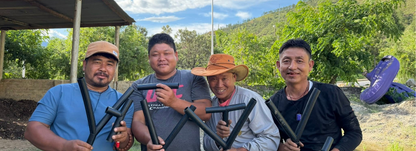
Bhutan is home to a variety of freshwater ecosystems and wetlands that are essential to the country’s water resources, biodiversity, and cultural legacy. Wetlands and freshwater habitats in Bhutan are threatened by invasive species, pollution and waste disposal, habitat loss, and the effects of climate change, despite conservation efforts. Continued efforts in community participation, environmental regulation enforcement, and conservation planning are necessary to address these concerns. The loss of watersheds and forest cover is causing many spring water sources to dry up, raising concerns about the supply of water both for agriculture and drinking. To sustain Bhutan’s environmental sustainability and safeguard its distinctive natural landscapes for future generations, it is imperative to conserve and preserve these ecosystems.
Conservation of wetland and freshwater is one of the important thematic programs of RSPN, and has been working to improve water resource management practices through implementation of water-saving techniques, restoring wetlands and watersheds through springshed and watershed management, and building climate-resilient drinking water infrastructure.
RSPN Bhutan successfully conducted a Project Consultation Meeting with officials of Trongsa Dzongkhag Administration and Dragteng Gewog, followed by the signing of a Project…
Read more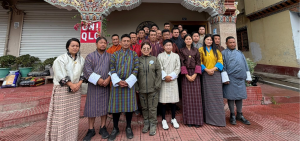
𝗦𝗮𝗳𝗲 𝗱𝗿𝗶𝗻𝗸𝗶𝗻𝗴 𝘄𝗮𝘁𝗲𝗿 doesn’t end at the tap. It depends on the people who keep the system running and in communities across the White-bellied…
Read more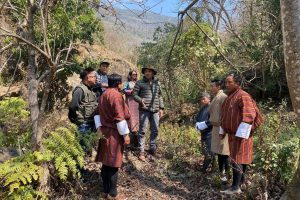
A joint team from RSPN Bhutan and Thedtsho Gewog carried out the monitoring of #RWSS in Wangdue Phodrang District on March 6th, 2024. Currently,…
Read more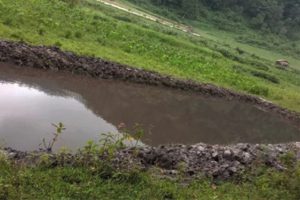
Dechheling Gewog located under Pema Gatshel Dzongkhag is characterized by low-lying hills and a cluster of houses spread across the slopes and hilltops. Peling-Tso,…
Read moreYou can now be apart of our conservation initiatives and make a difference!