༄༅། ། རྒྱལ་འཛིན་རང་བཞིན་སྲུང་སྐྱོབ་ཚོགས་སྡེ།
Royal Society For Protection of Nature
Inspiring personal responsibility for environmental conservation since 1987
༄༅། ། རྒྱལ་འཛིན་རང་བཞིན་སྲུང་སྐྱོབ་ཚོགས་སྡེ།
Inspiring personal responsibility for environmental conservation since 1987
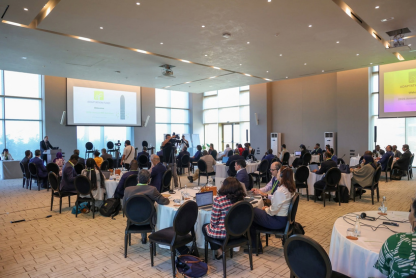
RSPN participated in the 14th Adaptation Fund (AF) Annual National Implementing Entity (NIE) Seminar, held from 15–17 September 2026 in Rabat, Morocco. The three-day international seminar brought together representatives from 34 accredited National Implementing Entities (NIEs) from across the globe to exchange experiences, strengthen institutional capacities, and explore practical approaches to advancing climate adaptation finance and action.
RSPN was represented by Mr. Wangchuk Namgay, Director, and Mr. Tshewang Lhendup, Project Officer. RSPN’s participation was particularly significant as the organisation was recently accredited as the 39th National Implementing Entity of the Adaptation Fund, providing Bhutan with an additional institutional pathway to access international climate adaptation finance.
The annual NIE Seminar provided a platform for accredited entities to share experiences and lessons learned in accessing and delivering adaptation finance. Discussions focused on strengthening institutional and operational capacities, developing project pipelines, improving project preparation and implementation, and enhancing coordination between national institutions and Adaptation Fund stakeholders.
The seminar also emphasised the importance of country ownership and locally led adaptation, ensuring that adaptation investments are aligned with national priorities and respond to the needs and vulnerabilities of communities and ecosystems.
Key areas discussed during the seminar included:
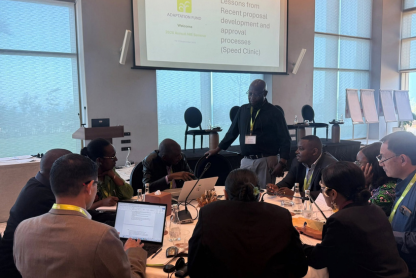
One of the key sessions focused on the journey of adaptation projects from initial concepts to approval. Representatives from accredited entities shared practical experiences from their respective project development processes, providing participants with insights into the stages involved in developing and refining proposals. The session covered key stages including concept development, Adaptation Fund feedback, proposal revision, full proposal submission, further technical feedback and refinement, and final approval.
Through interactive small-group discussions, participants engaged directly with NIE peers to explore challenges encountered during project development and identify approaches that could help strengthen future proposals.
For RSPN, the peer-learning sessions provided an opportunity to gain practical insights into project development, institutional requirements, and the Adaptation Fund’s review and approval processes. These lessons will be relevant as RSPN works towards developing and advancing adaptation initiatives for Bhutan.
RSPN also participated in a panel discussion alongside representatives from Mexico and Morocco, where the panellists shared experiences from their respective Adaptation Fund accreditation journeys.
The discussion provided an opportunity to reflect on the challenges, lessons learned, and milestones associated with the accreditation process. RSPN shared its experience of becoming an accredited NIE and the importance of institutional systems, organisational capacity, compliance requirements, and sustained coordination throughout the accreditation process.
The exchange also provided an opportunity for participating NIEs to learn from one another and understand how different national institutions have navigated the accreditation process and subsequently strengthened their capacity to develop and implement adaptation projects.
The seminar placed considerable emphasis on strengthening country ownership and enabling national institutions to play a greater role in identifying, developing, and implementing climate adaptation priorities. RSPN’s accreditation as an Adaptation Fund NIE represents an important opportunity to strengthen national capacity to access adaptation finance and develop projects that respond to Bhutan’s climate vulnerabilities and national development priorities.
The knowledge and experience gained through the seminar will support RSPN in strengthening its institutional systems, project development processes, and technical capacity as it undertakes its role as an Adaptation Fund NIE.
The seminar also highlighted the importance of collaboration among NIEs, Designated Authorities, the Adaptation Fund, development partners, and other stakeholders in translating climate finance into meaningful adaptation action on the ground.
The gathering provided an opportunity for RSPN to strengthen its engagement with other accredited entities and climate finance stakeholders, while learning from adaptation experiences across different regions. The 14th Adaptation Fund NIE Annual Seminar concluded with a renewed emphasis on peer learning, institutional strengthening, country-driven approaches, and improved access to adaptation finance.
RSPN’s participation marked an important step in its engagement with the Adaptation Fund and provided valuable knowledge and experience as the organisation moves forward in its role as Bhutan’s National Implementing Entity. Through this role, RSPN will continue to work with national stakeholders and partners to strengthen access to climate adaptation finance and support resilient and locally relevant adaptation action in Bhutan.